
Small Business Staffing in 2024: A Supportive Guide
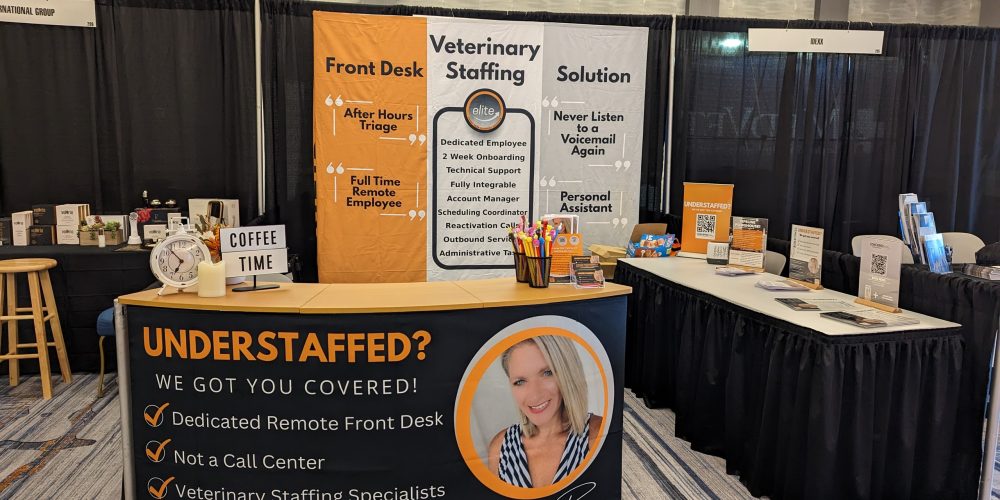
In today’s dynamic business landscape, where talent shortages and the Great Resignation dominate headlines, staffing remains a critical differentiator for small businesses.
The “Comprehensive Guide to Small Business Staffing 2025” by Melissa Brown and Alissa Davis is an invaluable resource for entrepreneurs and business leaders seeking to optimize hiring practices, boost employee engagement, and ensure legal compliance.
As we navigate 2025, understanding the evolving landscape and leveraging the latest strategies is crucial for building a motivated and efficient workforce.
Small Business Staffing to Embrace Technological Advancements
Technological progress and economic changes constantly influence the job market. To stay ahead, small business staffing strategies must adapt to integrate changes effectively.
- Optimize Your Team: Streamline workflows, delegate tasks effectively, and consider automating repetitive processes to maximize productivity.
The U.S. Bureau of Labor Statistics reports that 86% of businesses face difficulty filling open positions https://www.bls.gov/ooh/home.htm. Streamline workflows, delegate tasks effectively, and consider automating repetitive processes using workflow automation tools. This frees up your team’s time for higher-value tasks and increases overall productivity.
- Leverage Remote Work: The rise of remote work opens up a global talent pool, allowing you to find the best candidates without geographical constraints. Utilize AI and online tools to make your hiring process more efficient.
The rise of remote work opens doors to a global talent pool. A 2023 Gallup study revealed that 56% of U.S. workers want to work remotely full-time https://www.gallup.com/topic/remote-work.aspx. Utilize AI-powered applicant tracking systems (ATS) and online collaboration tools like Slack or Asana to streamline your remote hiring process and foster effective communication across geographically dispersed teams.
Focus on Employee Well-being and Engagement
A happy and engaged workforce is essential for any successful business. In small business staffing, prioritizing employee well-being and fostering a supportive work environment can significantly reduce turnover and enhance productivity.
- Work-Life Balance: Offer flexible schedules, remote work options, and wellness programs to show your employees that you value their well-being. This not only improves morale but also makes your company an attractive place to work.
A 2025 PwC report shows 73% of employees say work-life balance is a top job consideration. Offer flexible schedules, remote work options, and wellness programs to demonstrate your commitment to employee well-being. This improves morale and makes your company more attractive to potential hires.
- Recognition and Rewards: Implement a recognition program that celebrates individual and team achievements. Regularly acknowledge and reward your employees’ contributions to foster a culture of appreciation and motivation. Recognition programs can significantly boost employee engagement.
A SHRM study found that 70% of employees feel more motivated when their work is recognized [SHRM Society for Human Resource Management]. To foster a culture of appreciation and motivation, implement a program that celebrates individual and team achievements and regularly acknowledges and rewards employees’ contributions.
Effective Recruitment and Interview Strategies for small business staffing
Finding the right talent requires a multi-pronged approach that goes beyond traditional small business staffing methods:
- Digital Recruiting: Expand your reach by leveraging niche job boards, social media groups targeting specific skill sets, and targeted online advertising.
79% of recruiters now use social media for recruiting, according to a 2023 LinkedIn Recruiter Nation Report. This allows you to find candidates with the specific skills you need, regardless of location.
- Structured Interviews: Develop standardized interview questions and use competency-based questions assessing technical skills and cultural fit. Behavioral interviewing techniques delve deeper into candidates’ past experiences and problem-solving abilities, providing a more comprehensive picture of their suitability for the role.
Enhance Onboarding and Training Programs
While attracting and securing top talent is crucial for small business staffing, many underestimate what comes next: a comprehensive onboarding process.
Often seen as an afterthought to the hiring process, onboarding is the foundation for integrating new hires into your company culture and setting them up for long-term success.
Think of it this way: you’ve invested significant time and resources into finding the perfect candidate. It’s critical to equip them with the knowledge, skills, and confidence they need to thrive in their role.
A well-designed onboarding program goes beyond just paperwork and logistics. It’s a strategic investment in your most valuable asset – your people.
Phased Training
A phased training program is a key element in a successful onboarding process. This structured approach gradually introduces new employees to their roles and responsibilities, preventing information overload and improving knowledge retention. Here’s how to implement an effective phased training program:
- Week 1: Introduction and Integration
- Company Orientation: Begin with a comprehensive orientation session that covers the company’s mission, values, history, and culture. This helps new hires understand the bigger picture and feel a part of the organization from day one.
- Policy and Procedure Overview: Introduce essential policies and procedures, including HR policies, IT security protocols, and safety guidelines. Ensure new employees understand the rules and expectations.
- Weeks 2-4: Role-Specific Training
- Skills and Knowledge Development: Provide detailed training on the skills and knowledge required for the new employee’s role. This may include product training, software tutorials, and industry-specific workshops.
- Task Familiarization: Gradually introduce new hires to their daily tasks and responsibilities. Break down complex processes into manageable steps to facilitate learning.
3. Ongoing Learning and Development
- Continuous Education: Encourage ongoing learning through access to online courses, professional development programs, and internal knowledge-sharing sessions. Promote a culture of continuous improvement and lifelong learning.
- Feedback and Evaluation: Conduct regular check-ins and evaluations to assess progress and provide constructive feedback. Adjust the training program as needed to address any knowledge gaps or challenges.
Hands-On Learning
Pair new hires with experienced colleagues for shadowing and mentorship opportunities. A 2022 study by the Brandon Hall Group found that mentorship programs can improve new hire retention by up to 70%. This hands-on approach helps new employees learn the ropes quickly and feel supported in their new roles.
1. Shadowing
- Observation: Allow new hires to observe experienced employees performing their daily tasks. This provides a real-world understanding of job duties and workplace dynamics.
- Interactive Learning: Encourage new hires to ask questions and participate in discussions during the shadowing period. This interactive approach helps them grasp concepts more quickly and thoroughly.
2. Mentorship
- Mentor Assignment: Assign each new hire a mentor. The mentor should be an experienced employee who can guide, answer questions, and offer support throughout onboarding.
- Regular Check-Ins: Schedule regular check-ins between the mentor and the new hire to discuss progress, address concerns, and provide feedback. This helps build a trusting and supportive relationship.
3. Real-World Application
- Practical Exercises: Incorporate practical exercises and simulations that allow new hires to apply what they’ve learned in a controlled environment. This hands-on practice helps solidify their understanding and boosts confidence.
- Gradual Responsibility: Gradually increase the responsibility assigned to new hires as they become more comfortable and proficient. This phased approach ensures they are well-prepared to handle their duties independently.
Navigate Legal Considerations
Staying compliant with legal regulations is crucial to protecting your business and employees:
- Safety and Compliance: Familiarize yourself with OSHA standards and industry-specific accreditation requirements. Implement necessary safety measures and conduct regular audits to ensure compliance.
- Accurate Record-Keeping: Maintain detailed records for clinical or client interactions, as HIPAA and other regulations require. This is essential for resolving disputes and ensuring regulatory compliance.
Cost of a Bad Hire: A 2023 study by the Society for Human Resource Management (SHRM) found that a bad hire can cost a company up to 30% of the employee’s annual salary to replace, not including lost productivity and morale impact. This highlights the importance of getting the hiring process right from a legal standpoint to avoid costly mistakes.
Increased Legal Scrutiny: The U.S. Equal Employment Opportunity Commission (EEOC) reported a 14% rise in discrimination charges
Pen_spark in 2022 https://www.eeoc.gov/. This suggests an increased focus on legal compliance during the hiring process.
Conclusion: Thriving in 2025
As you navigate the complexities of small business staffing in 2025, remember that adaptability, innovation, and a focus on employee well-being are key to success. By implementing the strategies outlined in this comprehensive guide, you can build a resilient and motivated workforce that propels your business forward.
For more insights and detailed strategies, dive into the “Comprehensive Guide to Small Business Staffing 2025” by Melissa Brown and Alissa Davis. Let’s optimize your staffing processes and achieve excellence together!